Wellness
Why Am I Losing My Hair in My 30s or 40s? A Doctor's Diagnostic Guide
One of the most common reasons women come into my clinic is unexpected hair shedding in their 30s or 40s. Most of the time, it isn't what they think. Here is the diagnostic structure I use,...

In this article
One of the most common reasons women come into my clinic in their 30s and 40s is unexpected hair shedding. The hair on the pillow, the hair in the brush, the part-line that has widened, the ponytail that is thinner than it used to be. Most of the time, the cause isn't what they think it is — and the right treatment depends almost entirely on getting the cause right first.
This page is the diagnostic structure I use in consultation. It will not replace a proper assessment, but it should help you walk into one knowing what questions to ask.
The four most common causes
In this age bracket, four causes account for the vast majority of cases I see. They often overlap.
Telogen effluvium — stress-related shedding. A surge of stress, illness, post-surgical recovery, COVID infection, post-pregnancy hormonal shift or significant weight change pushes a larger-than-usual percentage of hair follicles into the resting (telogen) phase simultaneously. About three months later, those hairs shed together. The shedding is diffuse — across the whole scalp rather than a specific pattern — and reverses on its own once the trigger is resolved, typically over six to nine months.
Female pattern hair loss (androgenetic alopecia). A more gradual, progressive thinning concentrated at the part-line, crown and frontal area. Genetic predisposition is the main driver, with sensitivity to circulating androgens at the follicle. It is the most common pattern in women over 40, but I see it earlier — late 20s and early 30s — more often than people expect. This one does not reverse without intervention.
Nutritional or medical contributors. Iron deficiency (ferritin in particular), thyroid dysfunction, vitamin D deficiency, B12 deficiency, hormonal contraception changes, polycystic ovarian syndrome, perimenopausal shifts. Any of these can drive shedding alone or compound an underlying tendency. A blood panel is non-negotiable in workup.
Scalp health and traction. Chronic scalp inflammation, seborrheic dermatitis, product build-up, untreated dandruff, harsh styling, tight ponytails or extensions worn for years. Scalp-driven hair loss is undertreated because it does not always present as visible scalp disease — sometimes the only sign is the hair quality itself.
In real clients, the picture is usually a combination — perimenopausal hormones plus low ferritin plus a stressful year plus a scalp that hasn't been properly cared for. Untangling that is the consultation's job.
What I'd want to investigate first
Before I would treat hair shedding in this age group I want, at minimum, the following workup:
A clear timeline — when did it start, what was happening in your life six to twelve weeks before it started, has anything changed since.
A scalp examination, ideally with magnification. The pattern of loss, the calibre of remaining hairs, the state of the follicles and the scalp surface itself give most of the diagnosis.
Bloods — full blood count, ferritin (target above 70 ng/mL for hair, not just above the bottom of the lab range), thyroid function, vitamin D, B12, and where indicated a hormonal panel.
A medication review. A surprising number of common medications — including some hormonal contraceptives, certain antidepressants, and some blood-pressure agents — can contribute.
Without that workup, any treatment recommendation is partly a guess.
What actually works, by cause
For telogen effluvium, the treatment is patience and addressing the trigger. Topical minoxidil can shorten the recovery, structured scalp work and PRP can support follicles through the cycle, and good nutrition makes a meaningful difference. Most cases recover.
For female pattern hair loss, the strongest evidence sits with topical minoxidil (5% used off-label in women), prescription antiandrogens where appropriate, and increasingly with regenerative interventions — PRP for hair and polynucleotides have a growing evidence base for stimulating follicular activity. Started early, the response is significantly better than later.
For nutritional or medical contributors, the treatment is the underlying cause — an iron level, a thyroid, a hormonal picture corrected medically. Hair recovers as the underlying issue resolves.
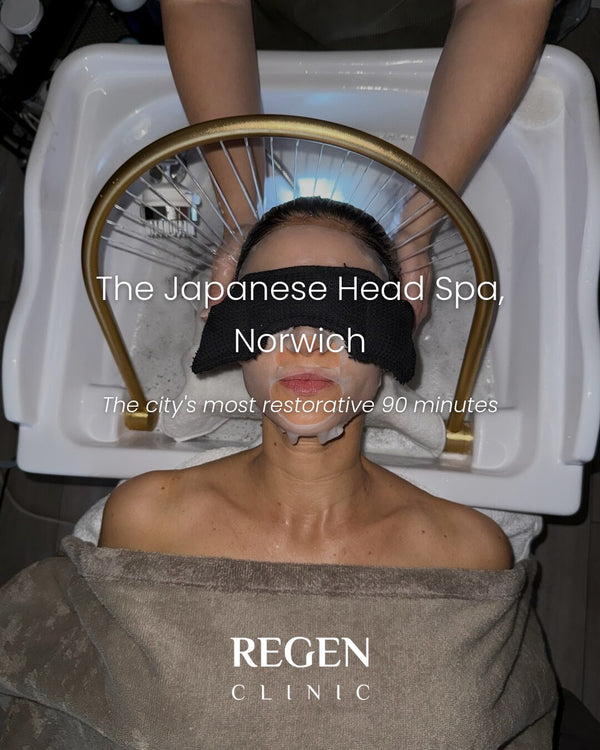
For scalp-driven shedding, the treatment is the scalp. Sustained, structured scalp care — proper exfoliation, anti-inflammatory protocols, appropriate manual stimulation — is genuinely effective. The Japanese Head Spa is one of the more clinically considered ways to deliver this consistently. Paired with a regenerative protocol such as PRP, the response in the right client can be impressive.
What to do now
If you are in your 30s or 40s and the hair is shedding more than it should — particularly if it has been more than three months and is not slowing down — book a proper consultation. Not a hair-cutting appointment, not a Google search. A clinical assessment that includes the workup above and produces a written plan.
The Reveal Consultation is where that begins for most of the women I treat. Sixty minutes, a structured assessment, and — where appropriate — a plan that combines investigation, regenerative treatment, scalp care and lifestyle change. Hair recovery in this age group is almost always possible. It just requires getting the cause right first.
Read further, or actually do something about it.
If anything in this piece sounds like your skin, the next step is a Reveal Consultation. A 60-minute doctor-led skin assessment, a documented plan, and where appropriate the first treatment in the same visit.